
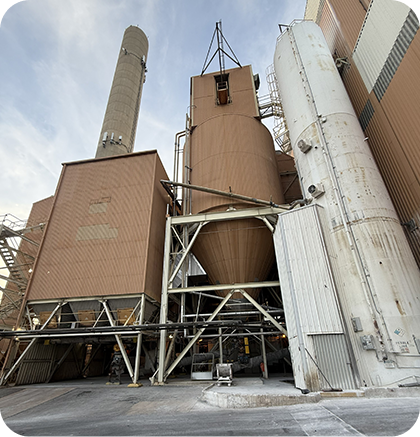
Operational Excellence for Energy From Waste Facilities
Every Waste-to-Energy Plant operator faces a familiar challenge: deliver steady output while adapting to variable feedstock and stricter rules. Our people work side by side with your facility managers.
We explore performance issues before they become expensive downtime as our team knows your control room and daily pressures. That practical experience shapes everything we do. Our service begins with one thing: understanding your specific conditions.
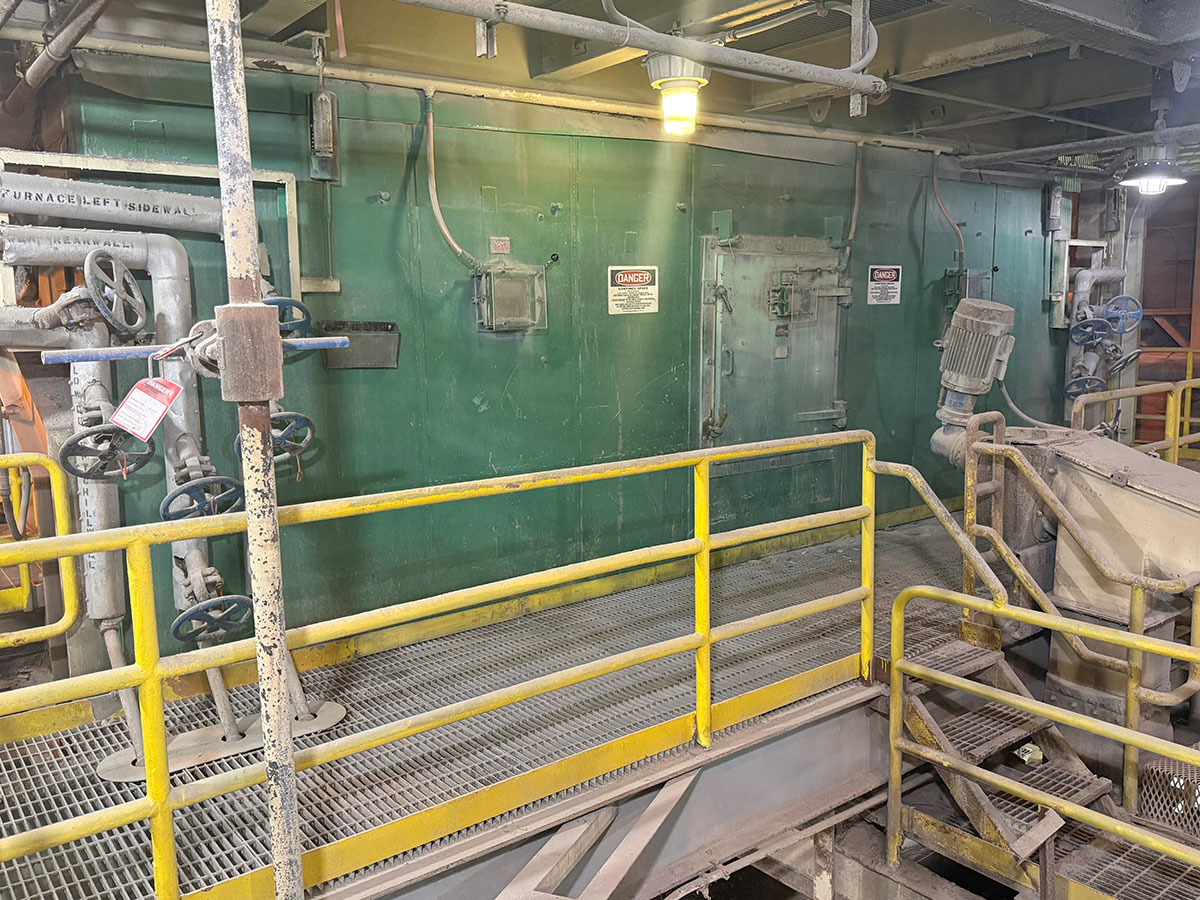
The Modern Waste-to-Energy Plant
A modern Energy From Waste facility looks nothing like the traditional Waste Incinerator of the past. Our team helps EfW operators transition their facilities toward higher recovery and lower emissions.
Today’s plants are engineered to recover metals, generate electricity, and supply district heating, all while treating flue gases with advanced pollution control systems. Our service includes evaluating where your facility stands against these modern benchmarks.
Our team has studied facilities like Dubai’s Warsan facility and applies that knowledge to your operation. However, proper waste segregation and moisture control determine whether an EfW plant runs smoothly or struggles with unstable combustion. Our service helps clients get these fundamentals right before investing in advanced upgrades.
Operational Challenges Facing EfW Facilities
Combustion Stability with Variable Feedstock
Municipal solid waste feedstock is inherently inconsistent. Our service addresses this through advanced combustion control systems that adjust to fluctuating moisture and energy content in real time. To achieve complete burn and emission control, temperatures must exceed 850°C. Our team analyzes flame characteristics and oxygen levels to maintain stability. We stay on-site through commissioning and adjustment periods.
Water Treatment and Boiler Integrity
EfW plants face aggressive contaminants including chlorides, sulfates, and heavy metals from flue gases. Our service designs custom water treatment programs using ion exchange, reverse osmosis, and real-time monitoring to prevent scaling, corrosion, and fouling. These issues reduce heat transfer and increase downtime risk. We conduct regular water quality audits and tailor each solution to your feedstock and operating conditions.
Regulatory Compliance and Ageing Infrastructure
The EU Industrial Emissions Directive and BAT conclusions set strict limits on dioxins, furans, and heavy metals. Our service audits existing infrastructure and prioritizes compliance upgrades. Many EfW plants operate on 15 to 20-year-old systems not designed for today’s standards. Our team identifies strategic investment priorities and develops phased upgrade plans that work within your budget and operational constraints.
Maximizing Energy Recovery & Performance
Precise combustion control directly improves energy efficiency. This is why our systems help facilities extract more megawatts from the same tonnage of waste.
District heating integration is one approach that can improve overall plant efficiency. To support this, our team analyzes heat market opportunities and designs integration sequences for clients considering this option. We support commissioning to ensure seamless implementation.
Beyond combustion optimization and heat recovery, our service also includes deploying energy data systems that track performance in real time. These systems flag inefficiencies as they emerge, allowing operators to adjust before they impact the bottom line. Our team trains your staff to interpret and act on this data.
Sustainable Operations and Emission Control
Modern emission control requires multiple treatment stages customized to your flue gas composition. Our team specifies and integrates bag filters for particulates and wet scrubbing for acid gases, selecting the right technology combination for your facility.
Beyond emission control, we also evaluate metal recovery opportunities. Extracted ferrous and non-ferrous metals can offset operational costs, so we recommend system configurations to maximize this value. Additionally, processed ash can be used in construction materials. To support this, our service helps you assess ash quality and identify off-take partners.
Water management is another critical decision that complements these efforts. Our team evaluates treat-and-discharge versus Zero Liquid Discharge (ZLD) options based on your site-specific water availability and discharge permits. We provide cost-benefit analysis for both approaches.
Ultimately, these integrated solutions help you realize environmental benefits. We measure and report on performance indicators that matter to your stakeholders.
Why Bradley Combustion
Long-Term Engagement
We are not consultants who hand over a report and walk away. Our team stays engaged through implementation, commissioning, and ongoing operations support.
Tailored Solutions
We understand that every Waste-to-Energy Plant has unique feedstock, equipment, and market conditions. Our service reflects that reality rather than generic best practices.
Proven Experience
We have worked across numerous EfW facilities and apply that knowledge to your operation. As part of our commitment, our service includes regular performance reviews and continuous improvement planning.
Trusted Partnership
Our clients turn to us for support on renewable waste strategies, energy recovery maximization, and long-term environmental goals. We earn that trust through clear communication and measurable service delivery. Our team is available when you need us, not just at project start.
Ready to optimize your Waste-to-Energy facility?
Your Waste-to-Energy Plant deserves strategies that are practical and tailored to your needs. Our team is ready to help you achieve better performance. Contact us to begin the conversation.